Remote user testing — Australia
Fast, reliable remote user testing for product teams in Melbourne, Sydney and nationwide. We combine moderated sessions, unmoderated studies and guerrilla testing to surface clear UX recommendations.
- Remote moderated sessions (Zoom/Teams)
- Unmoderated prototype tasks (web & mobile)
- Rapid recruitment of targeted Australian users

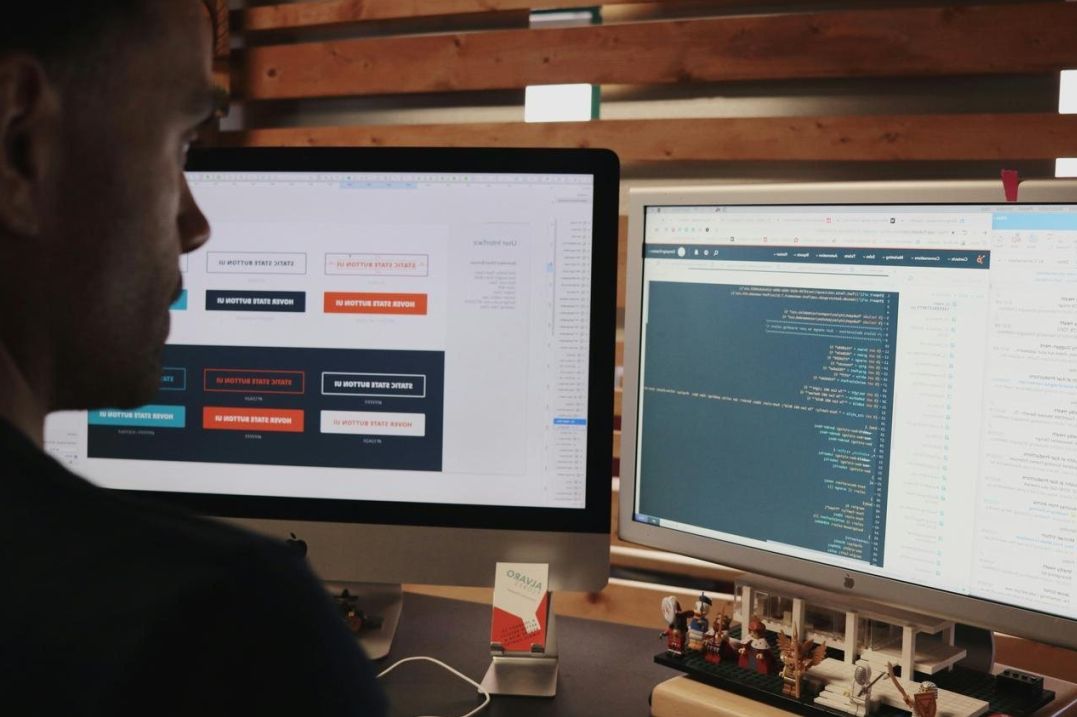
Why remote testing?
Remote sessions give real-time behavioural insights with lower logistics overhead. Reach diverse participants across Australian states and validate flows quickly.
- Lower cost than in-lab testing
- Faster turnaround and higher geographical reach
- Works for mobile and desktop prototypes

Methods we use
Tailored approach depending on research goals — discovery, usability validation or benchmarking.

Participants & recruitment
We recruit targeted Australian participants by demographics, behaviour and job role. Typical timelines:
- Standard recruitment: 5–10 business days
- Priority recruitment: 48–72 hours (subject to availability)
- Panel screening and compensation management included
Example screener criteria
| Segment | Criteria | Compensation |
|---|---|---|
| Consumers | 18–55, used similar app in last 3 months | $40–$80 |
| SME decision-makers | Employed in relevant sector, involved in purchasing | $80–$150 |
| Enterprise users | Experienced with enterprise SaaS, >2 years | $120–$200 |

Case snapshots
Selected outcomes from recent remote studies.

Mobile checkout optimisation
Improved task success from 68% to 92% after two iterative test cycles.

Onboarding flows for SaaS
Reduced time-to-first-value by simplifying steps identified in moderated sessions.

Discovery research
Remote diary studies surfaced context that informed product roadmap priorities.
Packages & next steps
Flexible engagement models for startups, product teams and enterprise programs. Typical starts:
- Discovery sprint — 1 week (scoping & pilot)
- Usability round — 2–4 weeks (recruitment, test, analysis)
- Program engagements — ongoing research cadence
Ready to run a remote study?
Tell us timeframe and participant profile — we’ll reply with a proposed plan and estimate.